Photography Tips for Capturing Scottish Landscapes
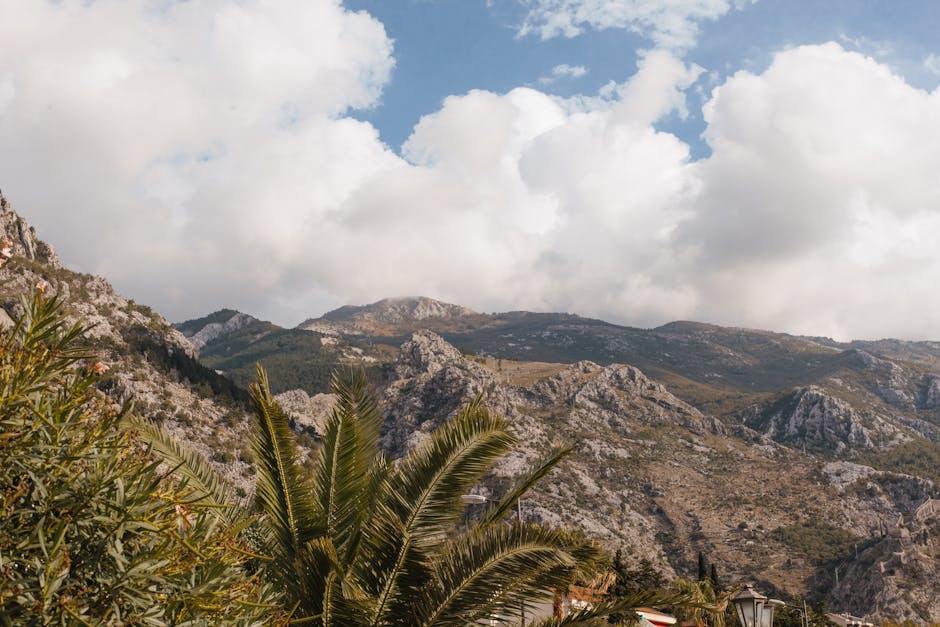
Scotland's landscapes provide endless photography opportunities, from moody lochs to dramatic mountain peaks. Whether you're using a smartphone or professional camera, understanding light, composition, and timing will transform your images from pleasant memories into stunning photographs.
Understanding Scottish Light
Scotland's northern latitude creates unique lighting conditions. Summer offers extended golden hours—the magical time when light is soft and warm—lasting from 5am to 10pm in June. Winter provides dramatic, low-angle light creating strong shadows and contrast. Overcast days, common in Scotland, eliminate harsh shadows and provide even, flattering light ideal for landscape work. Embrace the weather rather than waiting for perfect conditions.
Composition Fundamentals
The rule of thirds helps create balanced, engaging compositions. Imagine your frame divided into nine sections by two horizontal and two vertical lines. Place interesting elements along these lines rather than centring them. Leading lines—paths, rivers, or ridges—guide viewers' eyes through your image. Include foreground interest (rocks, heather, water) to add depth and scale to distant mountains.
Dealing with Challenging Conditions
Scottish weather changes rapidly, creating dramatic skies perfect for photography. Dark clouds building over mountains create tension and drama. Mist and rain add atmosphere—don't dismiss them as photography failures. Reflections in lochs and burns are particularly striking in calm conditions; visit early morning or evening when water is typically still. Use a polarising filter to reduce reflections and enhance sky colours.
Smartphone Photography Tips
Modern phones capture excellent landscape images. Clean your lens before shooting—fingerprints significantly impact image quality. Use portrait mode to isolate subjects and create depth. Tap to focus on the most important element. Avoid digital zoom; instead, move closer to your subject. Download offline editing apps to enhance images—adjust exposure, contrast, and saturation to match what you actually saw.
Camera Settings for Landscapes
Use aperture priority mode (f/8 to f/16) to keep foreground and background sharp. Choose slower shutter speeds in low light, using a tripod to prevent blur. ISO should be as low as possible while maintaining proper exposure. Shoot in RAW format for maximum editing flexibility. A graduated neutral density filter prevents overexposed skies.
Timing and Planning
Research locations beforehand using maps and online photography communities. Visit at different times to understand how light changes throughout the day. Early morning offers calm conditions and fewer tourists. Sunset provides warm colours but unpredictable timing. Golden hour—the hour after sunrise or before sunset—offers consistently excellent light.
Composition Mistakes to Avoid
Don't centre every subject. Avoid placing horizons in the middle of your frame—place them in the upper or lower third. Include human elements (hikers, buildings) for scale. Watch for distracting elements in the background. Embrace negative space; empty sky or water can be powerful compositional elements.
Post-Processing Best Practices
Enhance rather than transform your images. Adjust exposure and contrast first, then saturation. Avoid over-processing that looks artificial. Straighten horizons unless tilting serves a compositional purpose. Crop to improve composition if needed. Remember that the best photography happens before pressing the shutter—composition and light matter far more than editing.
Scottish landscapes reward patient observation and technical understanding. Practice regularly, study other photographers' work, and spend time in locations at different times and seasons. Your photography will improve dramatically.